Portable vs In-Ground Basketball Hoop: Pros and Cons
Besthoopslab is reader-supported. As an Amazon Associate, we earn from qualifying purchases.
Quick answer: Choose an in-ground hoop if you own your home, want the most stable and game-like rebound, and plan to keep the hoop for years. Choose a portable hoop if you rent, may move, want to roll it out of the driveway, or need a lower upfront cost with no concrete work. In-ground hoops play better; portable hoops are more flexible.
Both types can last for years and both can adjust for kids. The real differences are stability, how the ball comes off the backboard, total cost, and whether you can dig a hole in your yard. Here is how they compare in each area.
Portable vs In-Ground at a Glance
| Factor | Portable hoop | In-ground hoop |
|---|---|---|
| Stability | Good with a full base; some sway on hard shots | Excellent; very little shake |
| Rebound | Softer and less consistent | Closer to a gym hoop |
| Typical price (hoop only) | About $150–$1,000 | About $400–$3,000+ |
| Installation | Assemble and fill the base | Dig a hole, pour concrete, assemble |
| Can you move it? | Yes, on built-in wheels | No (anchor-kit models can be unbolted) |
| Best for | Renters, shared driveways, kids, tight budgets | Homeowners, teens and adults, serious practice |
What Is a Portable Basketball Hoop?
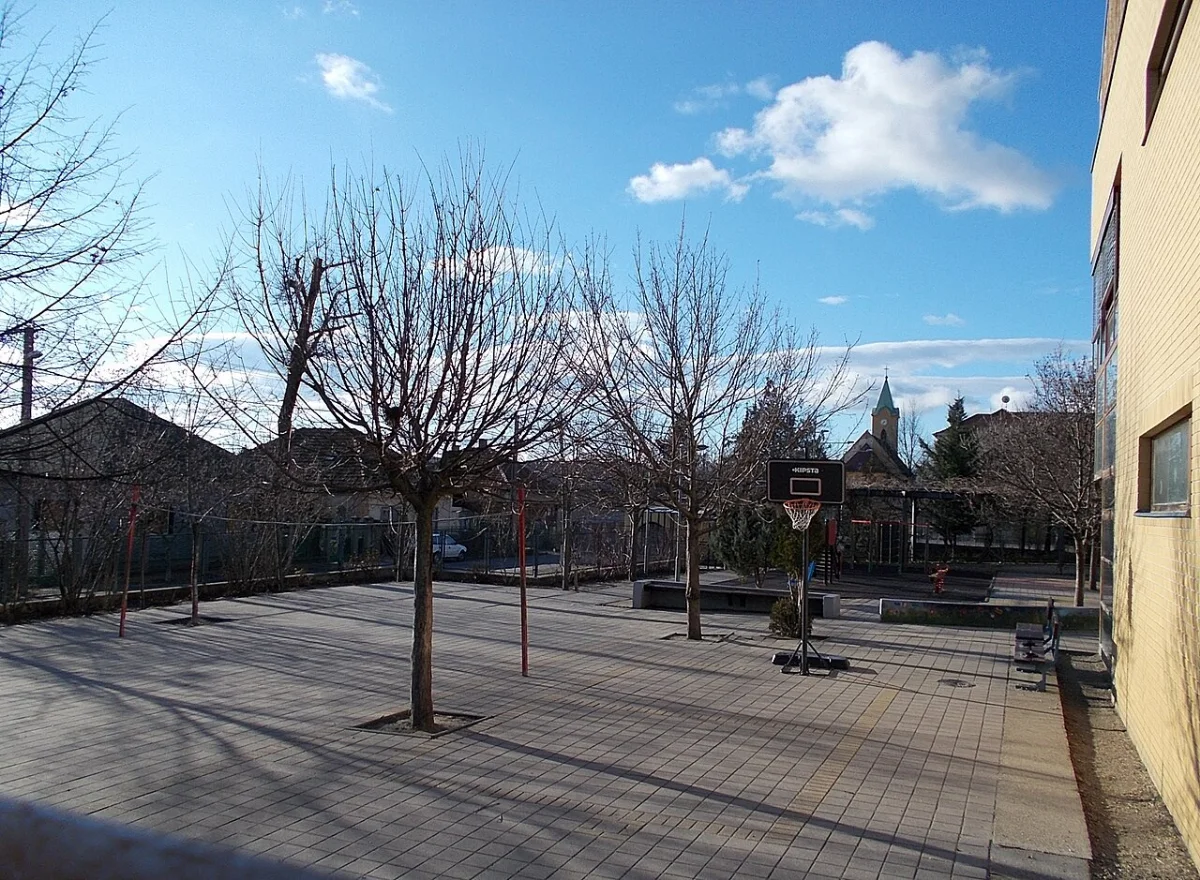
A portable hoop sits on a hollow plastic base that you fill with water or sand. The weight of the base keeps the system standing, and wheels let you tip it and roll it to a new spot. Most portable hoops have a 44 to 54 inch backboard and adjust from about 7.5 to 10 feet.
- Pros: no digging or concrete, you can take it with you when you move, easy to roll off the street or out of the way, and the lowest starting price.
- Cons: more shake on rim shots, softer rebound, the base sits under the court and can trip players, and strong wind can tip a poorly filled hoop.
The base only works if it is properly filled. Our guide on how to fill a portable basketball base covers sand vs water and how much you need.
What Is an In-Ground Basketball Hoop?
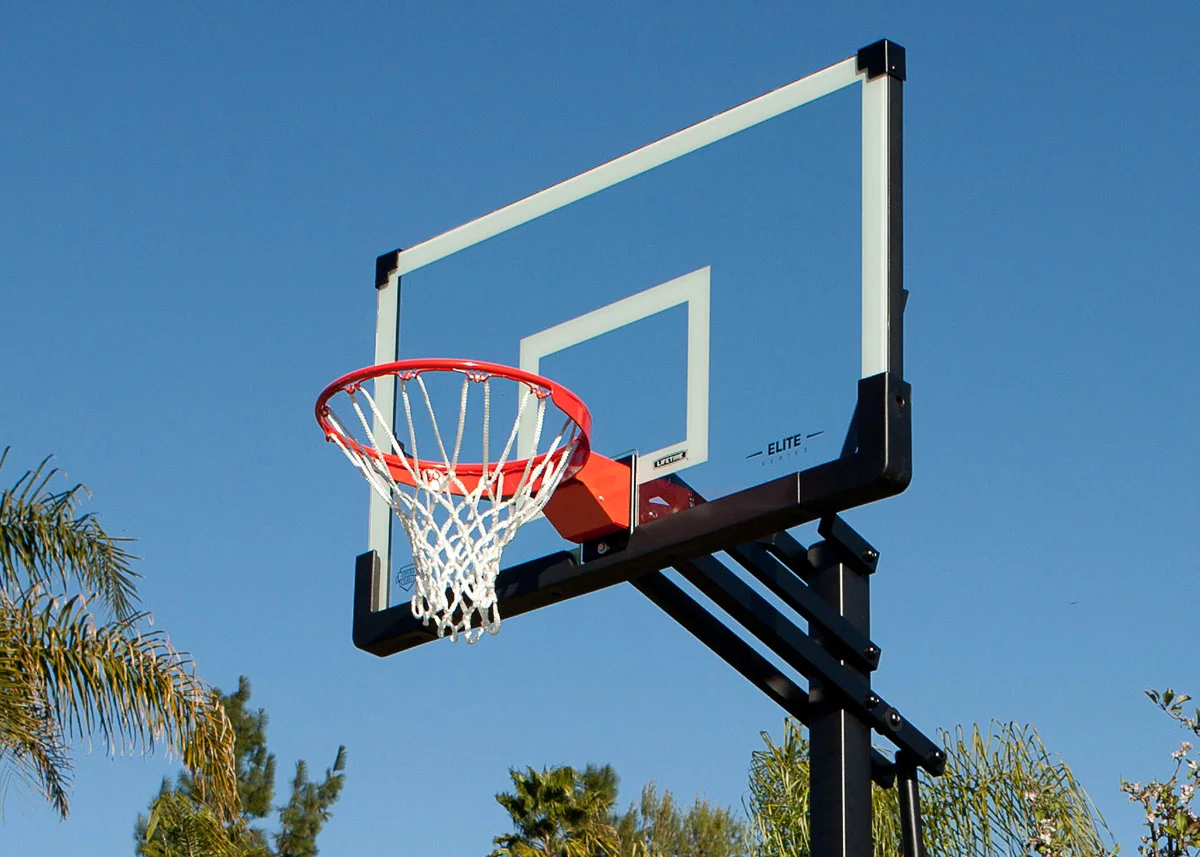
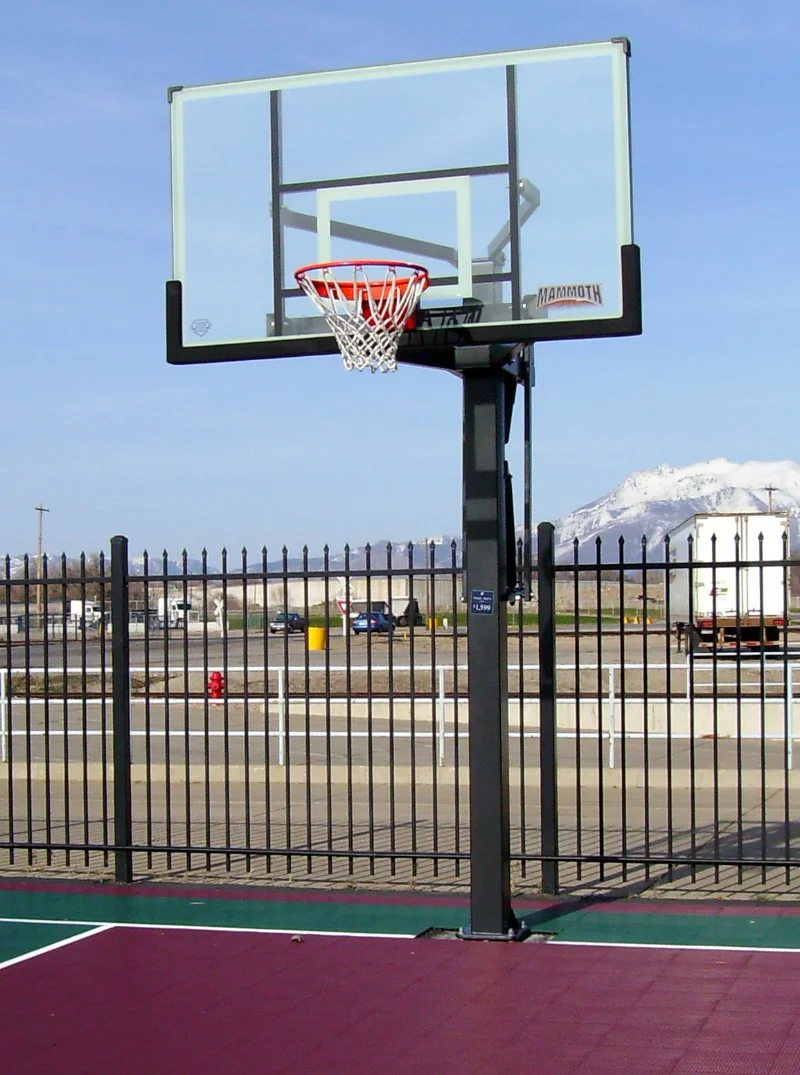
An in-ground hoop has a steel pole set in concrete, either buried directly or bolted to an anchor kit. Because the pole is locked into the ground, it can carry a bigger, heavier backboard (often 54 to 72 inches) and gives a firm, true rebound.
- Pros: best stability and rebound, larger glass backboards, cleaner look with no base on the court, and many models last 10 years or more.
- Cons: higher price, a permanent install, you need to call 811 before digging, and you leave it behind if you move (unless it uses an anchor kit).
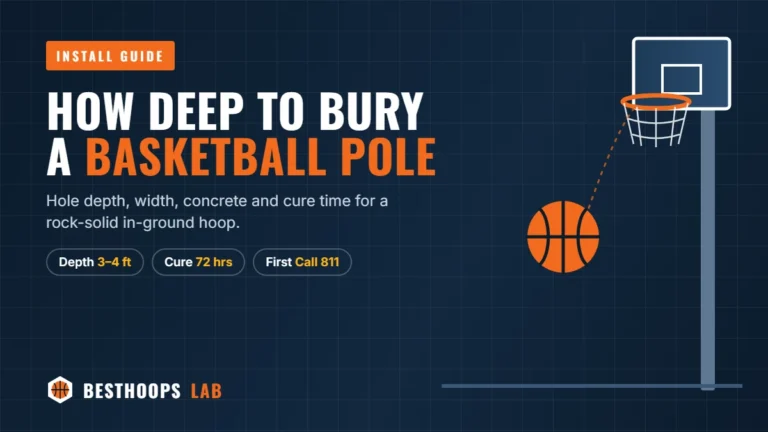
Planning an install? See how deep to bury a basketball pole and our breakdown of in-ground basketball hoop installation cost.
Stability and Rebound
This is the biggest playing difference. A portable hoop’s pole is held up by its base, so a hard rim shot makes the backboard wobble and the ball can bounce off softly or unpredictably. An in-ground pole set in concrete barely moves, so shots react the way they would in a gym. If your player is in middle school or older and practices every day, in-ground is worth it.
Cost Over Time
Portable hoops cost less upfront and need only sand or water for the base. In-ground hoops cost more, and you may add concrete, an anchor kit, or a pro installer. Over many years, though, a quality in-ground hoop often outlasts two or three portable hoops, so the yearly cost can be close.
Which One Should You Choose?
| Your situation | Best pick |
|---|---|
| You rent or might move within 2–3 years | Portable |
| HOA or city rules limit permanent structures | Portable |
| Young kids, light use | Portable |
| You own the home and want the best play | In-ground |
| Teens or adults who dunk or play hard | In-ground (with a breakaway rim) |
| Want both stability and the option to move | In-ground with an anchor kit |
Whichever you pick, set it at the right height for your players with our basketball hoop height by age chart.
Frequently Asked Questions
Are in-ground basketball hoops better than portable?
For play, yes. In-ground hoops are more stable and give a truer rebound. Portable hoops are better when you need to move the hoop or cannot dig.
Can a portable basketball hoop tip over?
It can if the base is not full or the hoop is left at full height in strong wind. Fill the base completely and lower the hoop during storms.
How long do in-ground basketball hoops last?
A well-installed steel in-ground hoop often lasts 10 years or more. Portable hoops usually last fewer years because the plastic base and lighter frame wear out sooner.
Can you move an in-ground basketball hoop?
Only if it is mounted on an anchor kit. You can unbolt the pole and take it with you, leaving the anchor in the concrete. Direct-bury poles are permanent.
Can you dunk on a portable hoop?
Most portable hoops are not built for dunking or hanging on the rim. Choose an in-ground hoop with a breakaway rim if dunking matters.
Photo Credits
Featured image: Tonniedixon via Wikimedia Commons, CC BY-SA 3.0 (resized). All other photos are credited in their captions.