Acrylic vs Polycarbonate vs Tempered Glass Backboards
Besthoopslab is reader-supported. As an Amazon Associate, we earn from qualifying purchases.
Quick answer: Tempered glass gives the best, most gym-like rebound and is used in college and the NBA, but it is heavy and costs the most. Acrylic is the middle ground: clear, lighter and cheaper than glass, with a decent rebound. Polycarbonate is the toughest and least expensive, but it gives the softest bounce. For serious players pick glass, for most families pick acrylic, and for young kids or rough use pick polycarbonate.
The backboard material affects how bank shots and rebounds come off, how long the hoop looks good, and how much the whole system costs. Here is how the three main materials compare, plus the steel boards you see at parks.
Backboard Materials Compared
| Material | Rebound | Durability | Weight | Price | Common on |
|---|---|---|---|---|---|
| Tempered glass | Best, very consistent | Scratch-proof; can shatter under extreme force | Heaviest | $$$ | In-ground hoops, gyms, NBA/college |
| Acrylic | Good | Strong but can scratch and haze | Medium | $$ | Mid-range portable and in-ground hoops |
| Polycarbonate | Soft, less lively | Nearly unbreakable; can yellow | Light | $ | Budget portable and youth hoops |
| Steel / aluminum | Lively, loud | Very tough, can dent or rust | Heavy | $–$$ | Parks and playgrounds |
Tempered Glass Backboards
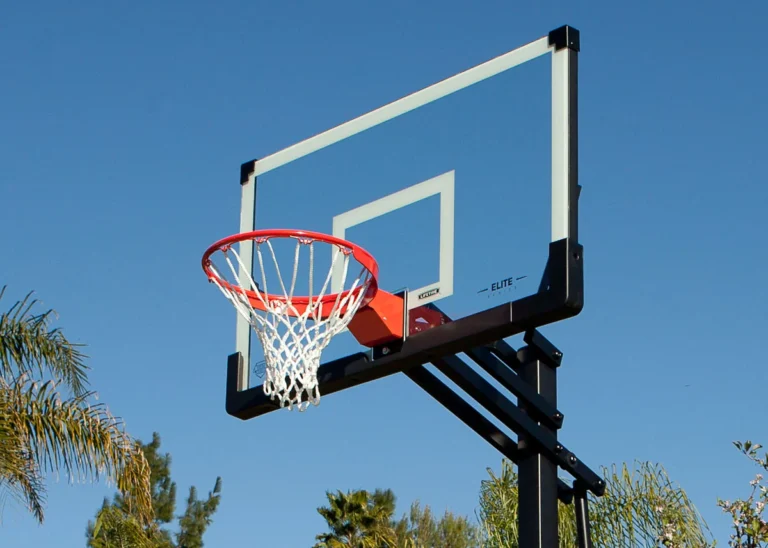
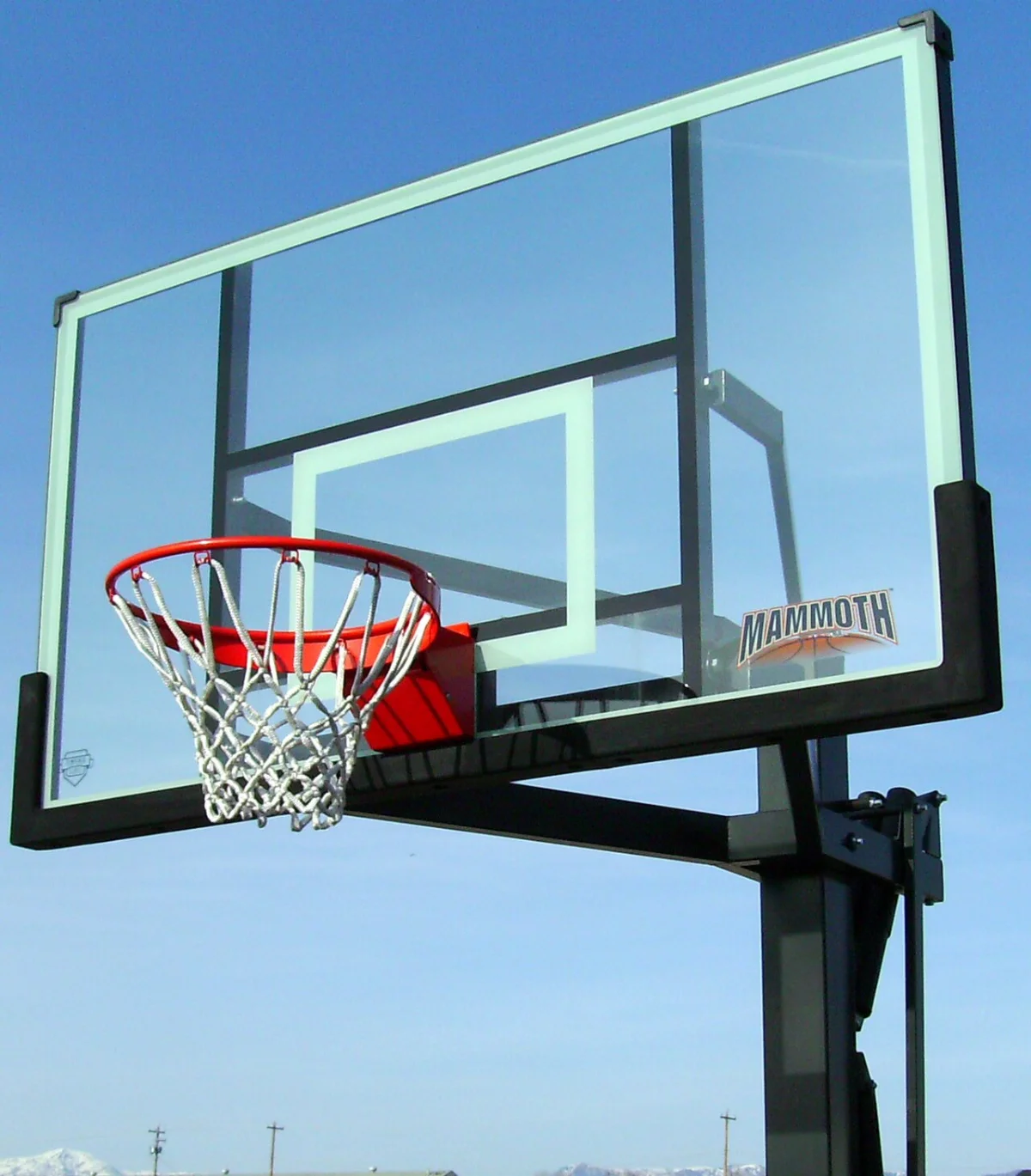
Tempered glass is the same material used on pro and college hoops. It is very rigid, so the ball comes off the board with a fast, consistent bounce. Glass does not scratch or yellow, so it looks new for years.
- Pros: best rebound, stays clear, most game-like practice.
- Cons: heavy, expensive, and if it does break it shatters into small pieces. Best paired with a breakaway rim and an in-ground pole.
Most home glass boards are 54 to 72 inches wide. A full regulation board is 72 × 42 inches with half-inch thick glass.
Acrylic Backboards
Acrylic is a clear, hard plastic that looks a lot like glass. It weighs much less and costs less, but it still gives a firm rebound. That makes it the most popular choice for mid-range home hoops.
- Pros: good rebound for the price, lighter than glass, resists shattering.
- Cons: scratches more easily than glass and can turn hazy or yellow after years in the sun. Thin acrylic boards can flex.
Polycarbonate Backboards
Polycarbonate is a very tough plastic used on most entry-level portable hoops. It almost never cracks, even when hit with a hard ball or bumped while moving the hoop. The downside is a softer, less lively rebound.
- Pros: lowest price, very hard to break, light enough for easy moving.
- Cons: weakest rebound, can yellow and scratch over time, often comes in smaller sizes.
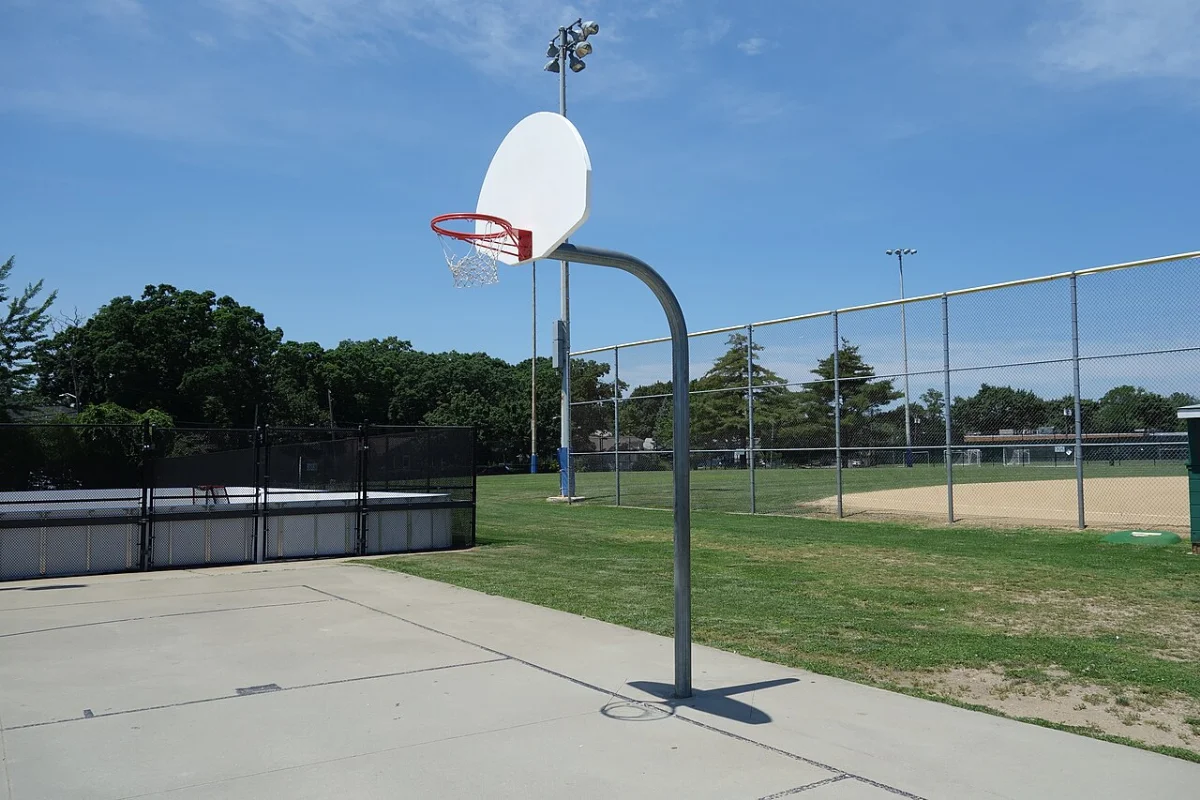
What About Steel and Aluminum Backboards?
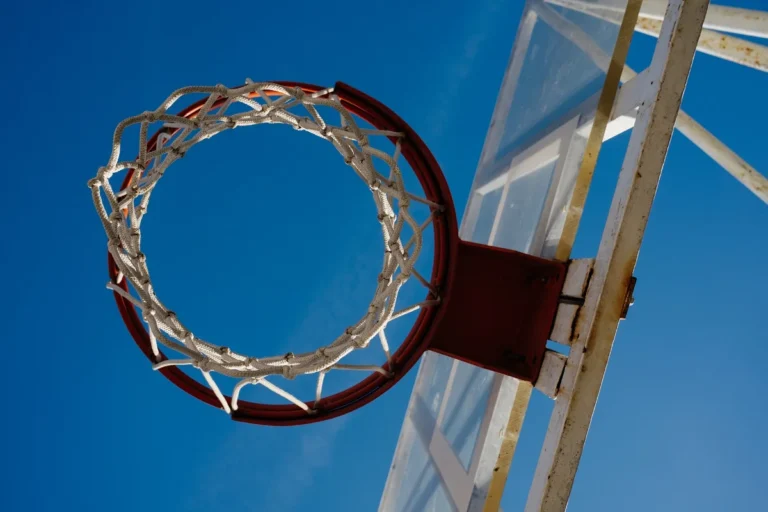
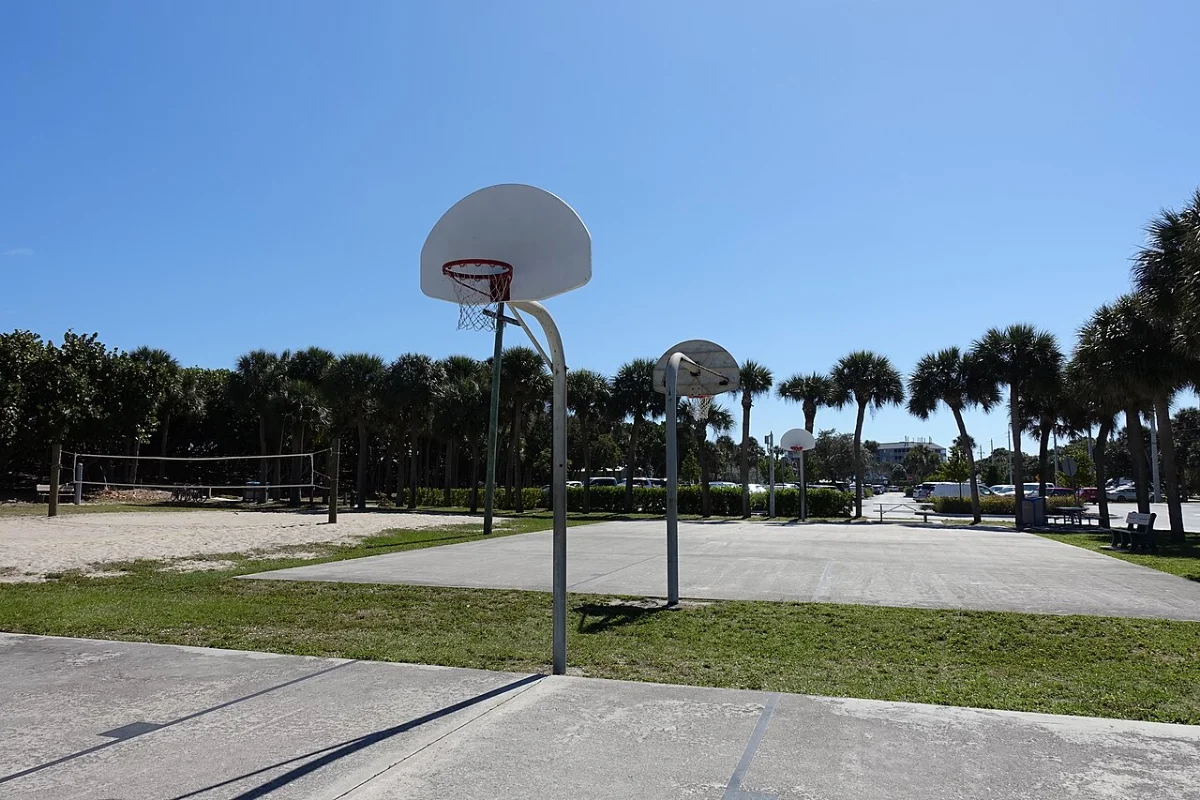
Many public courts use painted steel or aluminum boards, often in a fan shape. They are built to resist vandalism and weather, not to give a perfect rebound. They can be loud and lively, and they are rarely used on home hoops.
Which Backboard Should You Buy?
| Player and use | Best material |
|---|---|
| Kids under 10, casual shooting | Polycarbonate |
| Family driveway hoop, mixed ages | Acrylic |
| High school or adult player, daily practice | Tempered glass |
| Portable hoop you move often | Polycarbonate or acrylic |
| In-ground hoop meant to last 10+ years | Tempered glass |
Backboard material goes hand in hand with the rest of the system. Glass boards are usually found on in-ground hoops, and if anyone in your house dunks, read our guide to breakaway vs fixed rims.
Frequently Asked Questions
Is acrylic or polycarbonate better for a backboard?
Acrylic gives a better, firmer rebound and looks more like glass. Polycarbonate is tougher and cheaper. Pick acrylic for better play and polycarbonate for rough use or young kids.
Is a glass backboard worth it?
If your player practices often and wants a gym-like rebound, yes. For young kids or casual use, acrylic gives most of the benefit for less money.
Can a tempered glass backboard break?
It is very strong, but extreme force, a hard impact on the edge, or hanging on a fixed rim can break it. Tempered glass shatters into small, blunt pieces rather than sharp shards.
Why is my polycarbonate backboard turning yellow?
Sunlight breaks down the plastic over time. It does not affect safety much, but it makes the board look old and harder to see through.
What size backboard is best for home?
Most families do well with a 54 to 60 inch board. Serious players may want 60 to 72 inches for a more regulation feel.
Photo Credits
Featured image: Tdorante10 via Wikimedia Commons, CC BY-SA 4.0 (resized). All other photos are credited in their captions.